

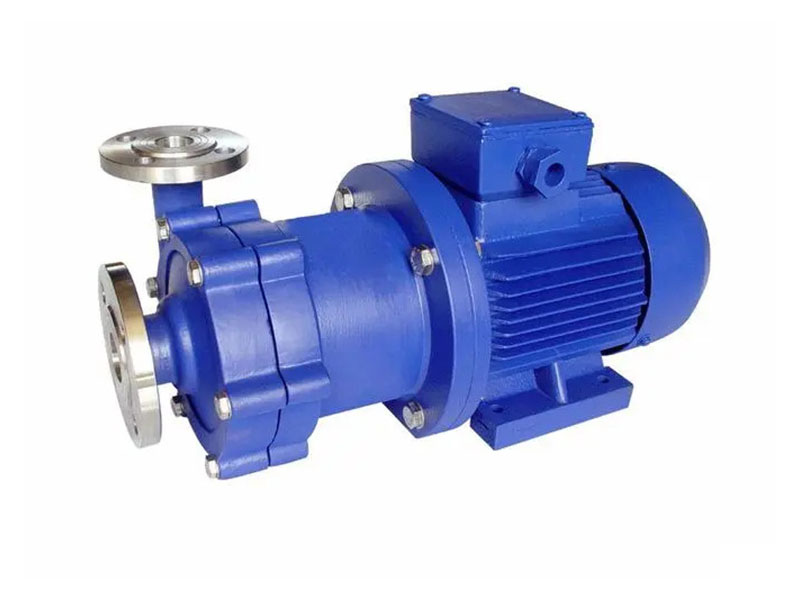
Vertical screw pumps play a critical role in modern power plant fluid management.
They handle everything from condensate and cooling water to sludges and high?viscosity
process fluids. By combining reliable operation with high efficiency and gentle fluid
handling, vertical screw pumps help power plants improve availability, reduce life?cycle
cost, and meet strict environmental and safety standards.
A vertical screw pump is a positive displacement pump that uses one or more helical screws
rotating inside a liner or casing to move fluid along the pump axis. Installed vertically,
the pump’s motor and drive train are typically mounted above the fluid level, while the
hydraulic components are immersed in the liquid or located below the platform.
In power generation facilities—whether coal?fired, gas?fired, biomass, nuclear, or
combined?cycle—vertical screw pumps support a variety of essential processes:
Because power plants operate under tight reliability, efficiency and safety constraints,
the choice of pumping technology is critical. Vertical screw pumps offer distinct advantages
in terms of low NPSH requirements, self?priming capability, smooth flow, and compact,
space?saving installation.
A vertical screw pump is a sub?type of screw pump where the pump shaft is oriented
vertically. The pumping elements—one or more screws—rotate within a close?fitting
stator, liner or casing. Fluid is captured in cavities between the screw threads and
the surrounding housing and then pushed continuously from the suction side to the
discharge side as the screws rotate.
Depending on the design, vertical screw pumps for power plants may be:
All vertical screw pumps share the same basic working principle:
Because the pumping mechanism does not rely on high fluid velocity, vertical screw pumps can
maintain stable flow even at high viscosities and low suction head conditions, which are common
challenges in power plant fluid management.
reducing footprint and easing access for inspection.
improves suction performance.
thermal cycling, pressure fluctuations and aggressive media.
coatings and elastomers suited to power plant water chemistry and slurries.
Fluid management in a power plant covers the complete system of collecting, transferring,
treating and recirculating liquids and slurries. Vertical screw pumps support these
functions in multiple locations throughout the power generation process.
Condensate recovery is essential for thermal efficiency. Vertical screw pumps can be used to:
Their low NPSH requirements and ability to operate with some entrained gas help reduce
the risk of cavitation and improve reliability in condensate systems.
Power plants rely on extensive cooling water networks for condensers, lubrication systems
and auxiliary equipment. Vertical screw pumps are used for:
For fossil?fired and some backup systems, fuel oil must be pumped from storage to burners,
heaters or day tanks. Lube oil must also be circulated reliably through bearings and gearboxes.
Vertical screw pumps are widely used because they:
Solid?laden fluids are part of most power plant operations, including:
Vertical screw pumps, particularly progressive cavity and twin?screw variants, are suitable
for these duties due to their ability to:
Chemical treatment is crucial for boiler water, cooling water and effluent streams. Vertical
screw pumps contribute to:
The accurate, repeatable discharge of vertical screw pumps supports tight control of
chemical dosing, which improves water quality and extends equipment life.
Selecting the right pump type can significantly influence plant performance. Vertical screw
pumps offer several advantages that directly support power plant reliability, efficiency and
environmental compliance.
screw geometry.
speed control.
response to changing load.
Over the life of a power plant, reduced energy consumption and minimized maintenance
downtime can translate into substantial cost savings.
Many power plant pump locations present poor suction conditions, such as limited available
NPSH, entrained air, or fluctuating liquid levels. Vertical screw pumps help mitigate these
challenges:
The positive displacement nature of screw pumps ensures:
Vertical screw pumps are ideal for space?constrained power plant environments:
containment
Power plants demand high availability. Vertical screw pumps contribute to reliable operation via:
Vertical screw pumps for power plant fluid management are available in many sizes and
configurations. The following tables illustrate typical specification ranges that may be
encountered in practice. Actual ratings will depend on the specific pump design, fluid
properties and application conditions.
| Parameter | Typical Range | Notes for Power Plant Applications |
|---|---|---|
| Flow rate (Q) | 0.1 to 1500 m3/h | Small flows for dosing and sampling; very high flows for cooling or condensate systems. |
| Differential pressure (ΔP) | Up to 40 bar (single stage), higher with multi?stage | Sufficient for most transfer, feeding, and circulation duties in power plants. |
| Viscosity | 0.5 to >100,000 cSt | Handles water?like fluids and extremely viscous oils, sludges and polymers. |
| Solids content | Up to ~40% by volume (depending on design) | Progressive cavity and special designs handle higher solids for sludge and ash. |
| Fluid temperature | -20°C to >200°C | Suited to hot condensate, boiler feed pre?treatment, and thermal oil circuits with appropriate materials. |
| Speed | 100 to 3600 rpm | Lower speeds for abrasive or high?viscosity fluids, higher speeds for clean, low?viscosity liquids. |
| Power rating | 0.5 to 500 kW+ | From small dosing pumps to large main transfer units. |
| Component | Common Materials | Power Plant Considerations |
|---|---|---|
| Casing / housing | Cast iron, ductile iron, carbon steel, stainless steel, duplex stainless steel | Selection based on corrosion potential, pressure rating and temperature. |
| Screws / rotors | Alloy steel, stainless steel, hardened or coated steels | Wear resistance required for abrasive slurries and high?pressure operation. |
| Stator / liner (for progressive cavity) | NBR, EPDM, FKM, specialty elastomers | Chemical compatibility with conditioning chemicals, oils and wastewater streams. |
| Shaft | Stainless steel, high?strength alloy steel | Must withstand bending loads and torque from start?ups and transient events. |
| Bearings | Rolling element, hydrodynamic, sleeve bearings | Design depends on vertical load, operating speed and lubrication method. |
| Seals | Single or double mechanical seals, packing | Selection influenced by leakage limits, fluid toxicity, and environmental rules. |
| Fasteners | Stainless steel, coated carbon steel | Corrosion resistance in humid and chemically aggressive plant areas. |
| Design Option | Variants | Application Examples |
|---|---|---|
| Installation type | Wet pit, dry pit, tank?mounted, inline vertical | Wet pit in sumps for wastewater; tank?mounted for fuel oil and condensate. |
| Number of screws | Single, twin, triple, multi?screw | Single screw for sludge; twin and triple screw for oils and high?pressure transfer. |
| Drive configuration | Direct?coupled, V?belt drive, gear motor, vertical hollow shaft motor | Direct?coupled with VFD for precise control of dosing and transfer. |
| Seal arrangement | Single, double, cartridge, gas?lubricated mechanical seals | Double mechanical seals with barrier fluid for hazardous or environmentally sensitive services. |
| Lubrication method | Oil?lubricated, grease?lubricated, process?lubricated bearings | Process?lubricated screws for clean condensate; oil?lubricated for heavy oils. |
| Motor protection | IP55, IP65, Ex?proof, TEFC, TEWC | Explosion?proof motors in fuel oil handling areas; enhanced protection outdoors. |
Vertical screw pumps can be mapped to specific areas and processes within a typical power
generation facility. The following table summarizes common applications.
| Plant Area | Typical Fluid | Vertical Screw Pump Function |
|---|---|---|
| Boiler island | Condensate, boiler feed pre?treatment liquids | Condensate collection from hot wells, transfer to deaerators or feedwater tanks. |
| Turbine hall | Lube oil, control oil | Vertical multi?screw pumps for lubrication, control fluid circulation and emergency backup. |
| Fuel handling | Heavy fuel oil, light fuel oil, diesel | Transfer from storage tanks, booster service to burners, unloading from tank trucks or railcars. |
| Cooling water system | Raw water, cooling water, tower basin water | Extraction from basins, intermediate circuit circulation, seal water supply. |
| Flue gas desulfurization (FGD) | Limestone slurry, gypsum slurry | Slurry recirculation, underflow transfer, thickener and clarifier discharge. |
| Ash handling | Bottom ash slurry, fly ash slurry | Sludge and slurry transfer from hoppers and sumps to dewatering systems. |
| Wastewater treatment | Primary sludge, digested sludge, effluent | Sludge thickener feed, digester feed, dewatered sludge transfer, return flows. |
| Chemical treatment | Acids, alkalis, polymers, inhibitors | Accurate dosing to boilers, cooling towers and effluent treatment units. |
| Firefighting and safety | Firewater, foam concentrates | Foam concentrate transfer, backup firewater circulation in some configurations. |
When designing or upgrading fluid management systems in power plants, engineers often
compare vertical screw pumps with centrifugal, vertical turbine and other positive displacement
pumps. The table below highlights general differences.
| Pump Type | Strengths | Limitations | Typical Use in Power Plants |
|---|---|---|---|
| Vertical screw pump | Excellent for viscous and multiphase fluids; self?priming; smooth flow; good suction; handles solids; compact vertical layout.
| Higher initial cost than some centrifugal pumps; requires careful material selection for highly abrasive slurries; speed limitations with certain fluids.
| Fuel oil, lube oil, sludge, ash slurry, chemical dosing, condensate and mixed?phase fluid services.
|
| Centrifugal pump | High flow at moderate head; simple construction; cost?effective for clean, low?viscosity fluids.
| Efficiency drops with high viscosity; poor suction lift without priming; flow strongly dependent on system head.
| Boiler feed, main cooling water, condensate extraction, general water transfer. |
| Vertical turbine pump | Deep?well and sump applications; high flow; good NPSH performance when bowls are submerged.
| Less suitable for very viscous or solids?laden fluids; more complex shafting structure. | Intake water from rivers, lakes and deep wells; cooling water intakes. |
| Gear pump | Accurate metering; good for moderate viscosity; compact. | Not ideal for large solids; can be sensitive to contaminated fluids; higher pulsation than screw pumps. | Small?scale dosing of oils and additives; auxiliary lubrication systems. |
| Diaphragm pump | Excellent chemical resistance; dry?running capability; high accuracy in dosing. | Pulsating flow; limited maximum flow; can require pulsation dampeners. | Chemical and reagent dosing in water treatment systems. |
When specifying vertical screw pumps for fluid management in a power plant, engineers need
to review both process and mechanical requirements. The following subsections outline
important criteria.
process fluids and cleaning chemicals.
based on leakage tolerance.
vapor hazards are present.
controllers (PLC).
Effective operation and maintenance strategies help vertical screw pumps deliver long service
life in demanding power plant environments.
Integrating vertical screw pumps into predictive maintenance programs helps avoid unexpected
failures. Useful monitoring parameters include:
Trending these indicators supports early detection of wear, misalignment, cavitation
tendencies, or seal problems, enabling planned interventions rather than emergency repairs.
Power plants face increasing pressure to minimize energy consumption and environmental
impacts. Vertical screw pumps contribute to these goals in several ways.
reducing fuel consumption per unit of electricity generated.
Proper design and installation of vertical screw pumps are essential to realize their full
performance in power plant fluid management systems.
Safety is paramount in power generation facilities. Vertical screw pump systems must be
designed and operated to minimize risk to personnel and equipment.
As power generation technology evolves, vertical screw pumps are also advancing to meet
new demands.
Vertical screw pumps are a vital element of fluid management in modern power plants.
Their ability to handle a wide range of viscosities, multiphase fluids and solids?laden
slurries makes them indispensable for condensate handling, fuel and lube oil transfer,
cooling water support, chemical dosing, sludge treatment and ash management.
When selected and installed according to sound engineering principles, vertical screw pumps
provide high efficiency, excellent suction performance, gentle fluid handling and long?term
reliability. These characteristics help power plants improve operational stability, reduce
energy consumption, and comply with stringent environmental and safety regulations.
In new?build and retrofit projects alike, careful evaluation of process requirements,
materials, sealing arrangements and control strategies enables vertical screw pumps to
deliver optimal value throughout the life of a power generation facility.
```

Copyright ? Jiangsu Longjie Pump Manufacturing Co., Ltd.



 Phone
Phone
Comment
(0)